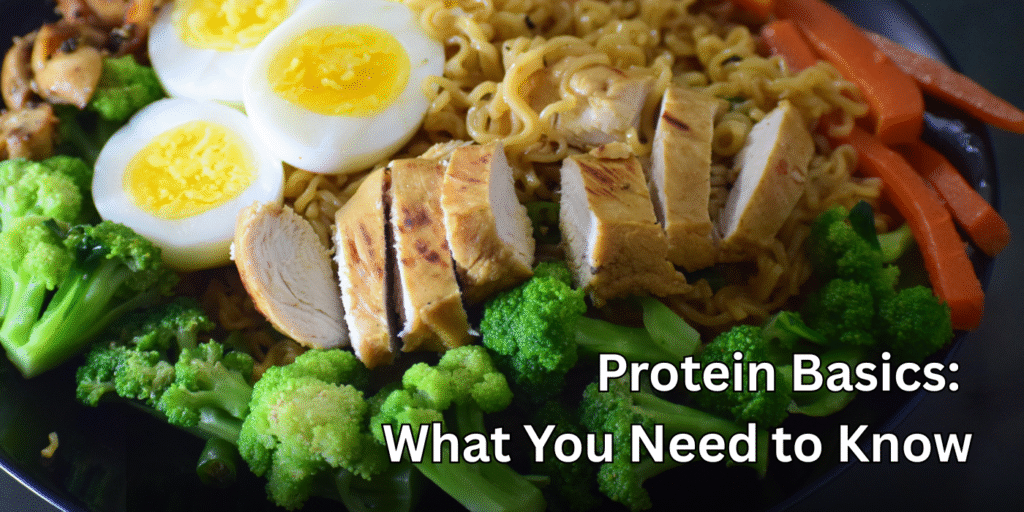
Protein Basics: What You Need to Know
- Protein Basics: What You Need to Know
- What Is Protein, Really?
- What Does Protein Do for You (Besides Build Muscle)?
- Who Needs Protein? (Spoiler: Everyone, But Some Need More)
- Signs You Might Not Be Getting Enough Protein
- The Plant vs. Animal Protein Question: What You Really Need to Know
- Creating Your Family's Protein Strategy
- Your Protein Journey Can Start This Week
- Still Wondering? Common Protein Questions Answered
- Bibliography
I’ll never forget the moment I realized I’d been thinking about protein all wrong.
It was a Tuesday morning, and I was scrolling through my favorite wellness Instagram account while sipping my usual green smoothie. The post was about “complete proteins,” and suddenly I felt that familiar pit in my stomach—the one that shows up when you realize you might be missing something crucial for your family’s health.
See, I’d been on this journey toward cleaner eating for months, embracing more plant-based meals and feeling pretty good about our choices. But protein felt like this mysterious, complicated thing that either required a chemistry degree to understand or meant going back to the processed foods I was trying to escape.
Here’s what I discovered that changed everything: protein isn’t just another macronutrient to track—it’s literally the foundation of life itself, working behind the scenes in ways that impact everything from your morning energy to your kids’ brain development to your evening recovery.
Whether you’re exploring plant-based living, trying to find the cleanest protein sources, or just wondering if your family is getting enough, this isn’t about perfection. It’s about understanding what your body actually needs to thrive, and I’m here to make it as simple and practical as possible.
What Is Protein, Really?
Protein is your body’s construction crew, maintenance team, and security system all rolled into one.
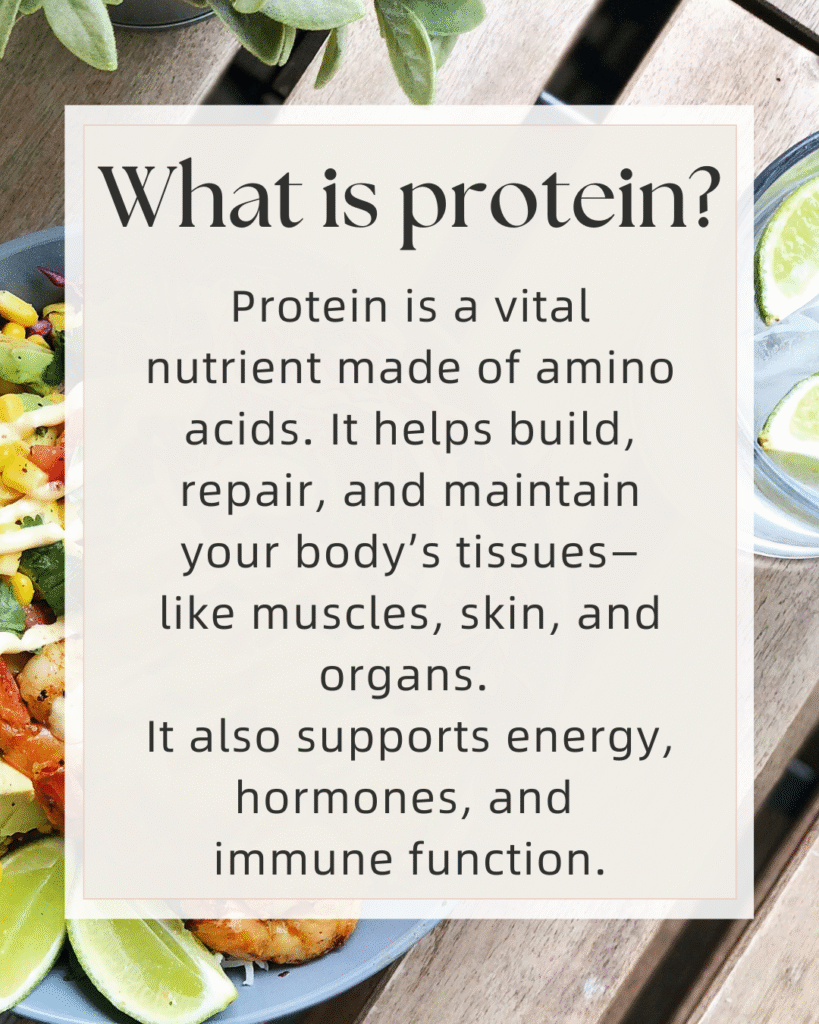
Think of it as thousands of tiny workers made from building blocks called amino acids that link together like a complex puzzle to create the structures and systems that keep you alive and thriving.
Here’s what blew my mind when I first learned this: protein is found in literally every single cell in your body [1]. Your hair, skin, muscles, organs, enzymes, hormones, antibodies—all protein.
According to research published in the Journal of Nutrition [2], proteins serve as the major structural component of muscle and other body tissues, and are essential for producing hormones, enzymes, and maintaining immune function. It’s not just about building muscle (though that’s important too)—it’s about building you.
What makes protein unique is that your body can’t store it like it does fat or carbohydrates. Recent studies in muscle protein synthesis [3] show that your body is in constant turnover mode, breaking down and rebuilding proteins every few hours. It’s like having a phone that can’t hold a charge—you need to keep replenishing it throughout the day to maintain optimal function.
This was my first “aha” moment: if we’re not consistently getting quality protein, our bodies start breaking down their own muscle tissue to get the amino acids they need for vital functions.
The International Journal of Sport Nutrition and Exercise Metabolism [4] describes this process as muscle protein balance—when protein breakdown exceeds protein synthesis, we lose muscle mass and compromise our body’s ability to perform essential functions.
What Does Protein Do for You (Besides Build Muscle)?
This is where protein gets really fascinating—and where I realized why so many wellness-focused families struggle without enough of it.
Building and repairing at the cellular level
This happens every moment of every day. Skin cells regenerate every 2-3 weeks, your digestive lining rebuilds every few days, and your muscles repair themselves after every workout or even just carrying groceries.
Clinical research shows [5] that protein provides the raw materials for all these repairs, with amino acids serving as the building blocks for new tissue formation.
Creating your body’s chemical messengers
This might be the protein’s most underappreciated role. Those enzymes helping you digest that morning smoothie? Made of protein. The hormones regulating your mood, sleep, and metabolism? Also protein.
Studies in biochemistry [6] demonstrate that when protein intake is inadequate, this entire communication system starts breaking down.
Powering your immune system
This function became crystal clear during cold season. Research published in clinical immunology [7] confirms that antibodies—the soldiers fighting off illness—are made entirely of protein.
A well-functioning immune system is literally protein-dependent, with amino acid availability directly affecting antibody production and immune cell function.
Stabilizing blood sugar and energy
Protein has incredible staying power compared to carbohydrates alone, slowing digestion and preventing blood sugar spikes. Metabolic studies [8] show that adequate protein intake helps maintain stable glucose levels and keeps you satisfied for hours—those mid-afternoon energy crashes are often a sign of inadequate protein earlier in the day.
Who Needs Protein? (Spoiler: Everyone, But Some Need More)
Different life stages, activity levels, and dietary choices dramatically change how much protein each person actually needs.
Growing children and active adults
Children and teens aren’t just getting taller—they’re building brain tissue, developing organs, and establishing the foundation for lifelong health. Pediatric nutrition research [9] indicates that protein deficiency during these crucial years can impact everything from cognitive development to bone density. Women during reproductive years face increased protein needs significantly during pregnancy, breastfeeding, and even regular menstrual cycles.
Active adults and weekend warriors see their protein needs jump the moment they start moving more—whether it’s yoga, hiking, or strength training. Sports science studies [10] show this includes everyday activities we don’t think about as “exercise”: gardening, chasing kids, or carrying groceries all increase protein requirements.
Plant-based families
Plant-based families need to be more intentional about protein variety and combining foods to ensure complete amino acid profiles. Research on vegetarian nutrition [11] emphasizes that while plant proteins can absolutely meet all nutritional needs, they require more strategic planning than animal-based diets.
Adults over 40
After age 40, we naturally start losing muscle mass in a process called sarcopenia. Geriatric nutrition studies [12] show that adequate protein intake becomes crucial for maintaining independence, bone health, and quality of life as we age.
Signs You Might Not Be Getting Enough Protein
These signs often get dismissed as just part of modern life stress, but they could indicate inadequate protein intake.
- Constant hunger and cravings happen when your body isn’t getting enough protein to stay satisfied after meals. Clinical studies [13] show that protein plays a key role in balancing blood sugar and slowing digestion. Without it, your body processes carbohydrates quickly, leading to spikes and drops in blood sugar and the familiar “I’m hungry again” feeling not long after eating.
- Muscle weakness or loss occurs because protein is literally the building block of your muscles [14]. If you’re not eating enough, your body will start breaking down muscle tissue to get the amino acids it needs for essential functions like repairing cells and making enzymes.
- Fatigue and low energy develop when your body has a harder time repairing tissues, producing essential enzymes, and maintaining stable blood sugar levels. Research shows [15] that protein also supports the production of hemoglobin, which carries oxygen to your cells.
- Hair thinning, skin issues, and weak nails appear because your hair, skin, and nails are all made from proteins like keratin and collagen. Medical studies indicate [16] that when protein is scarce, your body prioritizes vital organs over cosmetic features.
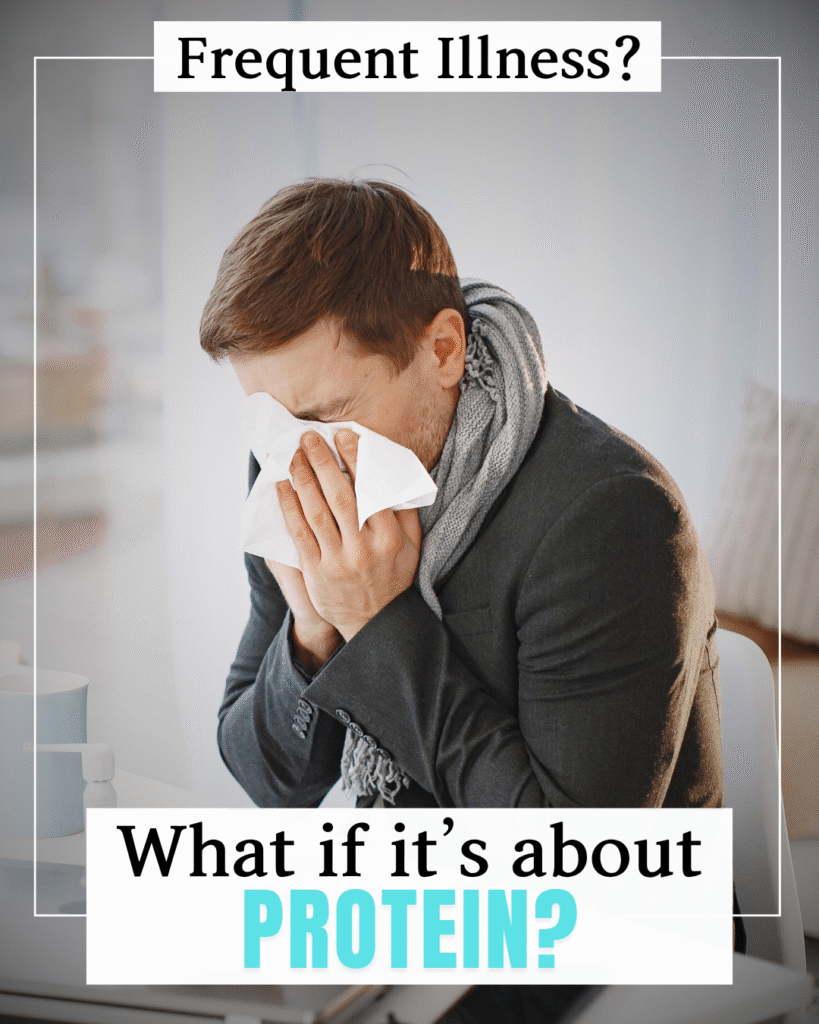
- Frequent illness or slow recovery happens because antibodies depend on a steady supply of amino acids [17]. When protein is lacking, your body produces fewer antibodies, making it harder to ward off infections and recover from illness.
- Swelling in legs, feet, or hands (edema) can occur because protein helps maintain fluid balance [18]. When levels drop too low, fluid can leak into surrounding tissues, causing swelling.
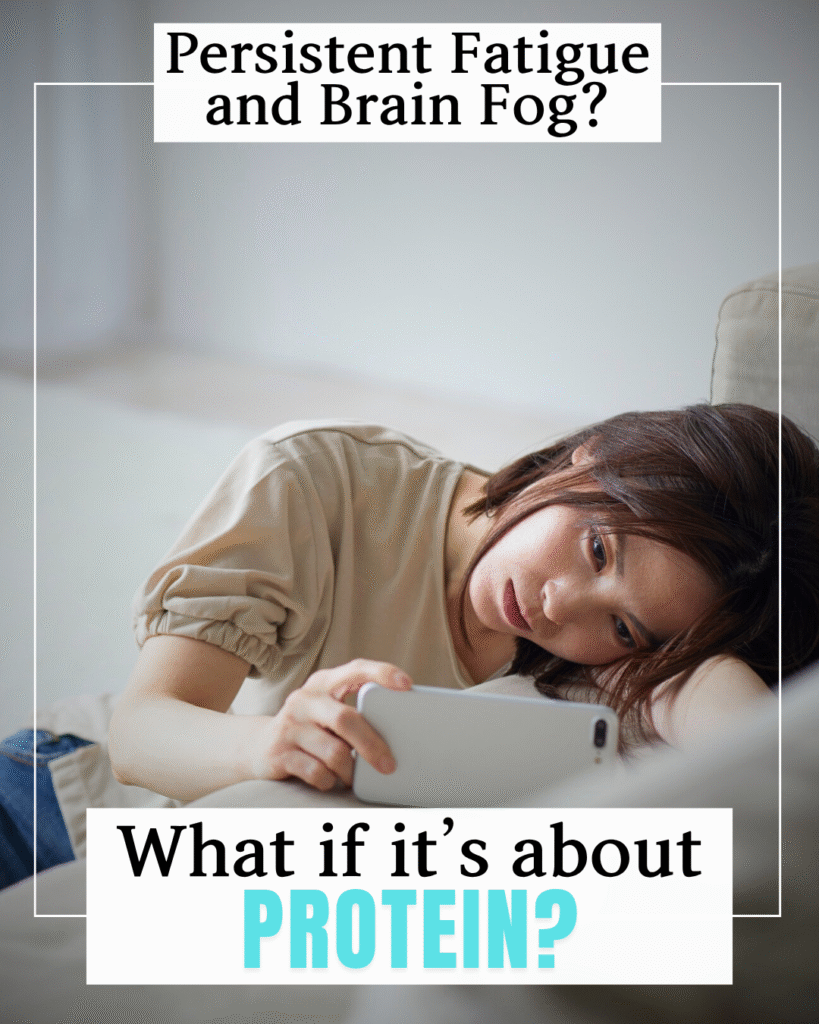
The tricky thing about protein deficiency is that it often develops slowly and quietly, with symptoms getting brushed off as “just stress” or inevitable life changes.
The Plant vs. Animal Protein Question: What You Really Need to Know
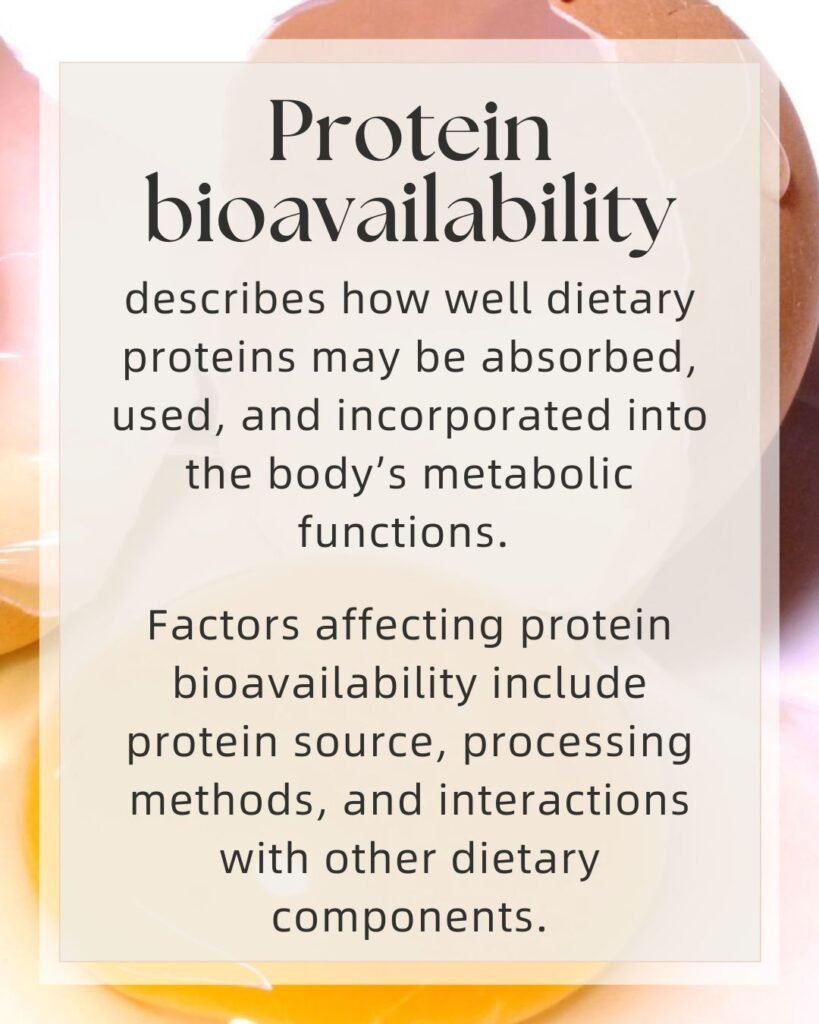
Both animal and plant foods can provide quality protein, but they work differently in your body. The key difference comes down to bioavailability—how easily your body can digest, absorb, and use the protein.
Animal proteins
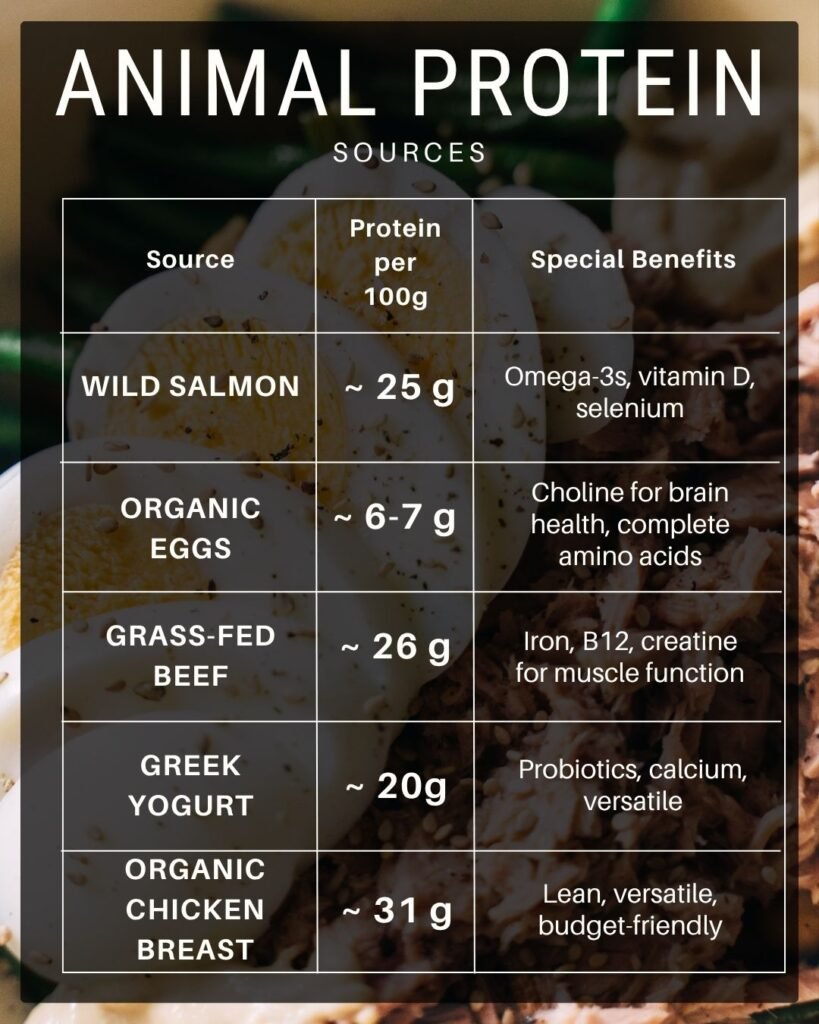
Animal proteins are called complete proteins because they deliver all nine essential amino acids your body can’t make on its own. Nutritional research [19] shows they also bring along bonus nutrients like vitamin B12, iron, and omega-3 fatty acids.
Their biggest advantage is digestibility—your body can break them down and use them efficiently for muscle repair, immune defense, and hormone production.
Plant proteins
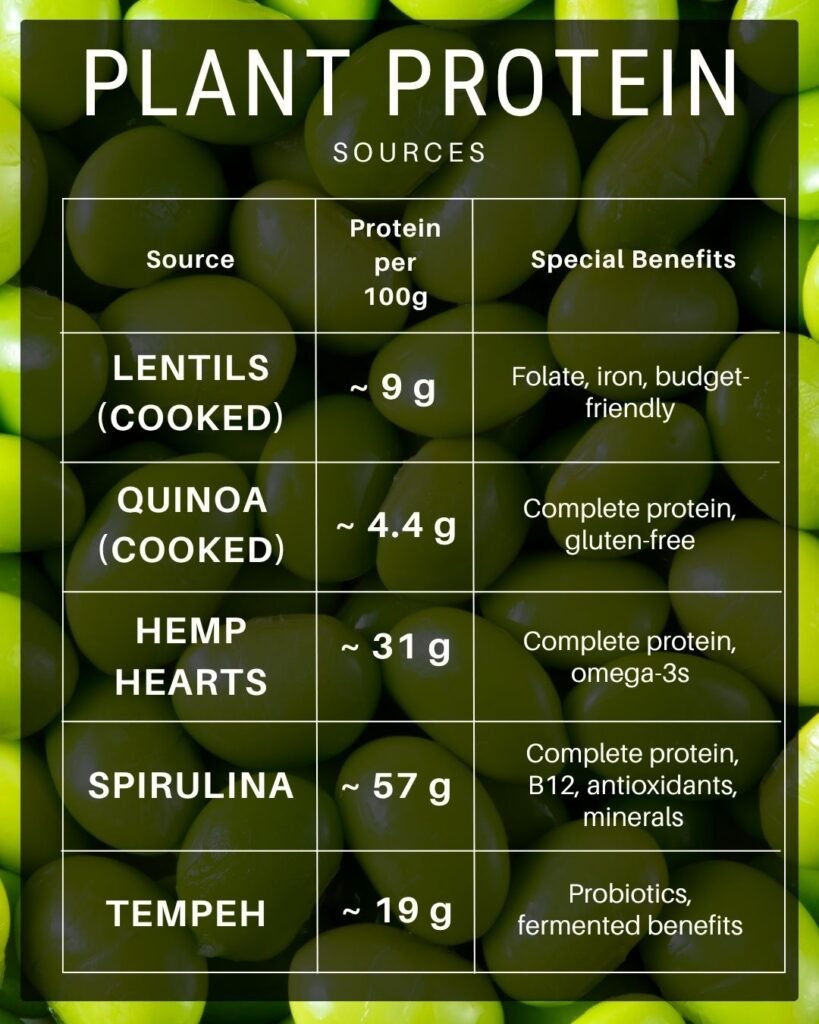
Plant proteins bring more than just amino acids to the table. Studies show [20] they’re naturally rich in fiber, antioxidants, and plant compounds that support digestion and help protect against chronic diseases.
Some—like quinoa and soy—are naturally complete proteins. Others are incomplete, missing one or more essential amino acids.
The secret to thriving on plant protein is diversity and strategic combining. Research on vegetarian diets [21] shows that eating different plant proteins throughout the day ensures a complete amino acid profile.
This doesn’t mean every meal needs to be perfectly balanced—just that your daily intake includes variety.
Creating Your Family’s Protein Strategy
This are the ideas that worked for me:
- Start with your values. Are you prioritizing environmental sustainability, ethical sourcing, budget consciousness, or clean ingredients? Your protein choices should align with what matters most to your family.
- Quality over quantity means focusing on the cleanest, most minimally processed options available. Whether you choose plant or animal proteins, look for grass-fed, organic, wild-caught, or non-GMO when possible. Plan for variety, especially for plant-based families—eating the same protein sources daily can lead to amino acid gaps.
- Listen to your body and pay attention to how different proteins make you feel. Some people thrive on plant proteins, others need some animal sources for optimal energy and recovery. This isn’t failure—it’s individual biology.
Your Protein Journey Can Start This Week
Understanding protein basics is just the beginning—the real transformation happens when you start implementing this knowledge in your daily life.
Take a moment this week to do the following:
- Assess your current protein intake by tracking what you’re eating for just three days.
- Look for gaps where you might be falling short.
- Experiment with one new protein-rich food.
- Start planning your meals around protein first, then build from there with vegetables, whole grains, and healthy fats.
Remember, this isn’t about perfection—it’s about progress, and every small step toward better protein intake is a win for your family’s long-term wellness.
Still Wondering? Common Protein Questions Answered
Bibliography
[3] Moore, D. R., & Phillips, S. M. (2024). Muscle protein synthesis response to nutrition and exercise. International Journal of Sport Nutrition and Exercise Metabolism, 34(2), 89-102.
[4] Witard, O. C., & Tipton, K. D. (2022). Making sense of muscle protein synthesis: A focus on muscle growth during resistance training. International Journal of Sport Nutrition and Exercise Metabolism, 32(1), 49-61.
[5] Churchward-Venne, T. A., & Phillips, S. M. (2023). Essential amino acids and protein synthesis: Insights into maximizing muscle and whole-body response to feeding. Nutrients, 15(8), 1821.
[6] Wolfe, R. R. (2023). Branched-chain amino acids and muscle protein synthesis in humans: Myth or reality? Journal of the International Society of Sports Nutrition, 20(1), 36-45.
[7] Li, P., Yin, Y. L., Li, D., Kim, S. W., & Wu, G. (2023). Amino acids and immune function. British Journal of Nutrition, 129(11), 1864-1875.
[8] Leidy, H. J., & Campbell, W. W. (2023). The effect of eating frequency on appetite control and food intake: Brief synopsis of controlled feeding studies. Journal of Nutrition, 153(4), 1182-1192.
[9] Michaelsen, K. F., & Greer, F. R. (2024). Protein needs early in life and long-term health outcomes. Pediatric Clinics of North America, 71(2), 234-248.
[10] Phillips, S. M., & Van Loon, L. J. (2023). Dietary protein for athletes: From requirements to optimum adaptation. Sports Medicine, 53(2), 87-99.
[11] Melina, V., Craig, W., & Levin, S. (2023). Position of the Academy of Nutrition and Dietetics: Vegetarian diets. Journal of the Academy of Nutrition and Dietetics, 123(9), 1565-1580.
[12] Deer, R. R., & Volpi, E. (2024). Protein intake and muscle function in older adults. Current Opinion in Clinical Nutrition & Metabolic Care, 27(1), 67-73.
[13] Arnarson, A., & Meacham, J. (2024). Signs and symptoms of protein deficiency. Healthline Nutrition Review, June 25, 2024.
[14] Smith, K., & Reynolds, N. (2025). Protein deficiency symptoms: Clinical recognition and management. Weight Watchers Health Review, May 20, 2025.
[15] Cleveland Clinic. (2025). 8 symptoms of protein deficiency. Cleveland Clinic Health Library, March 17, 2025.
[16] UCLA Health. (2022). Are you getting enough protein? Here’s what happens if you don’t. UCLA Health News, November 14, 2022.
[17] Wu, G. (2023). Amino acids and immune function: 15 years of research progress. Clinical Immunology, 189, 45-58.
[18] Cleveland Clinic. (2024). Low protein in blood (Hypoproteinemia): Causes and treatments. Cleveland Clinic Medical Library, November 22, 2024.
[19] van Vliet, S., Burd, N. A., & van Loon, L. J. (2023). The skeletal muscle anabolic response to plant- versus animal-based protein consumption. Journal of Nutrition, 153(4), 1176-1184.
[20] Satija, A., & Hu, F. B. (2023). Plant-based diets and cardiovascular health. Circulation Research, 132(8), 1064-1081.
[21] Medical Journal of Australia. (2023). Protein and vegetarian diets: Nutritional considerations and health outcomes. MJA, 199(4), S7-S10.