Put protein to work in real food.
Protein doesn’t always behave the way you’d expect in the kitchen.
Add too much powder and a cake turns rubbery.
Skip an adjustment and muffins turn dense. Here, you’ll learn how protein-rich ingredients actually behave in real food — so your recipes turn out right the first time.

New to cooking with protein?
Adding protein to a recipe isn’t always as simple as adding another ingredient. Start with the basics and learn what affects texture, moisture, structure, and taste.
Protein in Cooking & Baking: The Basics
Protein doesn’t act like flour, sugar, or fat — and treating it that way is where most recipes go wrong. Start here for the big picture before you start experimenting.
How Protein Powder Behaves in Recipes
Protein powder absorbs liquid differently than flour does — which is exactly why it dries out so many recipes. Here’s the science, explained simply.
Baking with protein
Baking is where protein gets unforgiving — a few grams too many, and texture suffers.
Here’s how to adjust your bakes so they actually work.
When things don’t go as planned
Dry, dense, gummy, crumbly, or just not quite right? Learn what may have gone wrong and how to troubleshoot protein recipes.
Protein powder absorbs more liquid than flour does, pulling moisture out of the batter as it bakes. If a recipe wasn’t adjusted for that, the result is a drier cake. A good rule of thumb: avoid replacing more than a quarter to a third of the total flour with protein powder — beyond that, moisture loss becomes hard to correct. Adding a bit more liquid, a moisture-rich ingredient like yogurt or applesauce, or simply staying within that ratio can fix it.
Protein powder doesn’t create the same lightness that gluten does in regular flour, so recipes with a high ratio of protein powder tend to rise less. Overmixing the batter makes this worse. Using a bit more leavening, mixing gently, and not overloading on powder usually solves it.
A gummy texture is often a sign of underbaking combined with protein powder’s tendency to hold onto moisture. It can also happen when too much liquid is added without enough structure to support it. Baking fully, using the right liquid ratio, and choosing an isolate over a concentrate can help avoid it.
Ingredients, substitutions & adjustments
Small ingredient changes can make a big difference in protein recipes. Understand what you can substitute, what you may need to adjust, and when a simple swap isn’t actually simple.
- Flours
- Sweeteners
- Dairy
- Plant milks
- Eggs
- Fats
- Leaveners.
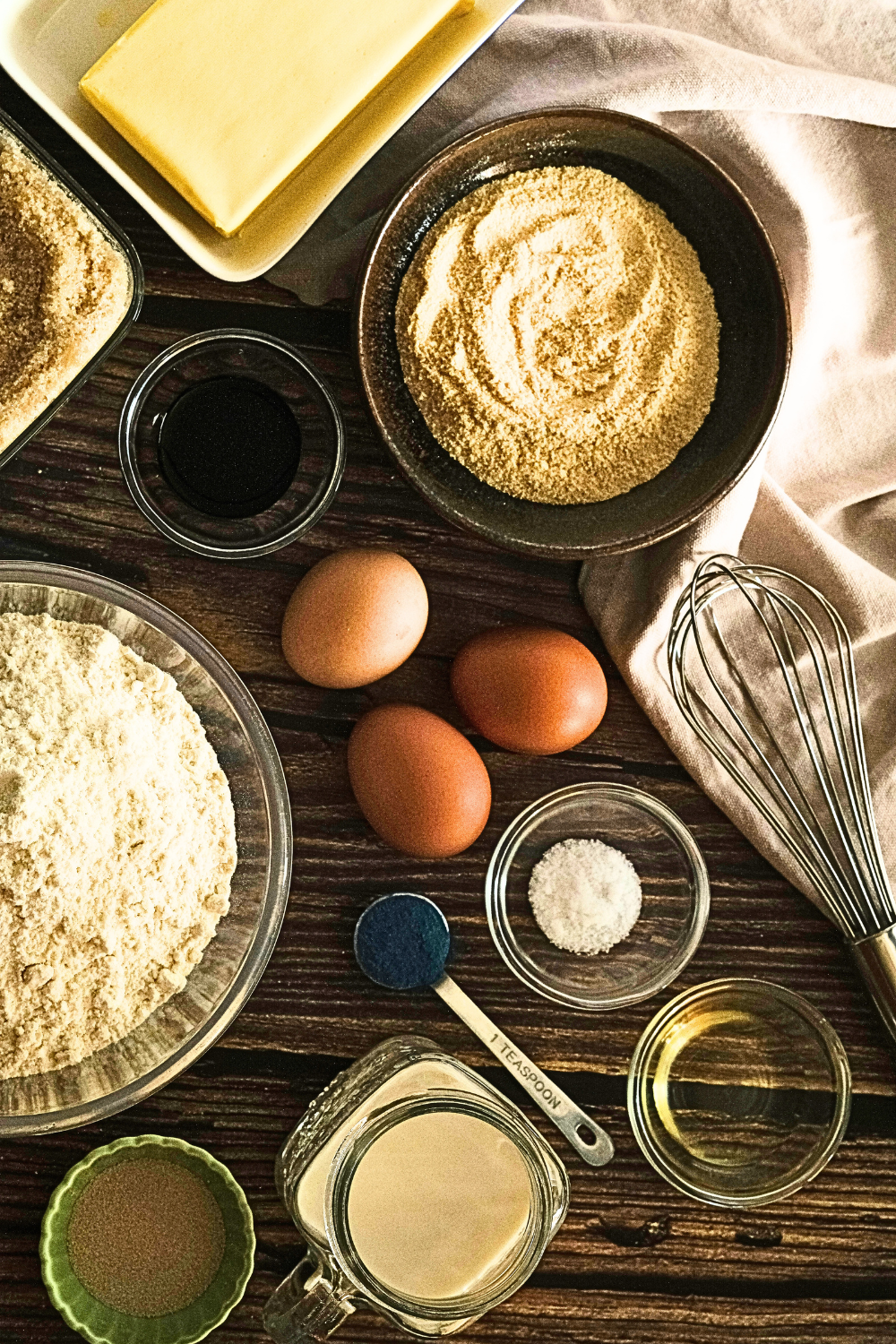
Protein isn’t just protein powder.
From dairy and eggs to legumes, grains, seeds, and other ingredients, there are many ways to bring protein into everyday cooking and baking.
Ready to put theory into practice?
Everything you’ve learned about texture, moisture, and troubleshooting comes together here. Browse protein-forward recipes, from quick snacks to desserts worth making — no more guesswork required.
Looking for a protein powder?
Whey Protein
Fast-digesting and widely available, whey is the most common starting point — but not always the right one for everyone.
Plant Protein
From pea to soy to rice blends, plant-based protein has come a long way — here’s how to choose one that actually works.
Collagen Protein
Popular for skin, joints, and gut health claims — but it’s not a complete protein. Here’s what it can (and can’t) do for you.