Understand protein without the overwhelm.
Protein is important — understanding it shouldn’t feel like homework.
You don’t need a nutrition degree, and you definitely don’t need a spreadsheet.
Here, you’ll learn what protein actually does, make sense of evidence that often contradicts itself online, and get real answers to the questions that come up in everyday life.
Start with the basics
New to protein? Start here. These guides cover the fundamentals you need to understand what protein does, where it comes from, and how it fits into everyday eating.
What is protein?
Protein is one of three macronutrients your body can’t function without. Here’s what it actually does — no chemistry class required.
What does protein actually do in the body?
From muscle repair to feeling full longer, protein shows up in more of your daily life than you’d think. Here’s why it deserves your attention.
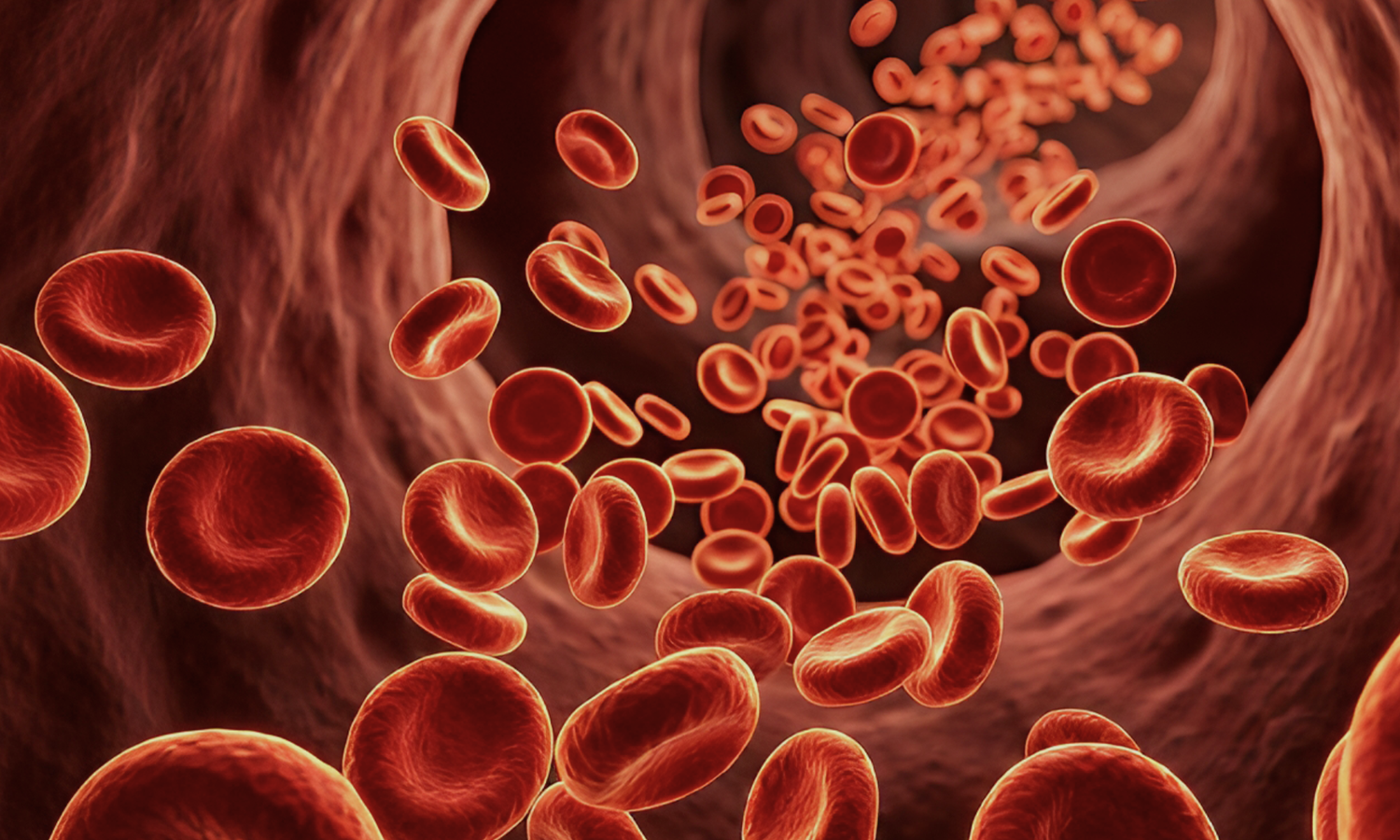
What Happens When You Eat Protein?
The protein doesn’t slip whole into your bloodstream and drift toward wherever your body decides to use it. We propose you to follow the protein journey form the fork to the cell.
Not sure where to start?
You don’t need to know exactly what you’re looking for. Start with a simple path and explore from there.
Protein questions, answered.
Protein comes with plenty of questions — and no shortage of conflicting advice. Here are quick, honest answers to some of the things people ask most.
It depends on your body weight, activity level, and goals — but most adults need more than they think, and less than social media suggests.
As a general starting point, many guidelines point to roughly 0.8–1.2g per kilogram of body weight for general health, trending higher for active adults.
The right number for you is worth figuring out with real context, not a generic rule.
Yes — protein is the macronutrient most linked to satiety, meaning it helps you feel satisfied after eating. It slows digestion and affects hunger hormones more than carbs or fat do.
That’s part of why adding protein to a meal often means snacking less later.
For most people, yes.
A varied diet with enough total food — including sources like eggs, dairy, legumes, and meat or plant proteins — can meet daily needs without any supplement.
Powders are a convenience, not a requirement.
Not necessarily — it depends on what “better” means to you.
Animal proteins are “complete” (all essential amino acids in one source), while most plant proteins need some variety to match that profile.
With a bit of planning, a plant-based diet can meet protein needs just as well.
Explore all articles
Dried Fruit vs. Fresh Fruit: Does Protein Really Go Up?
Scan any dried fruit’s nutrition label next to its fresh version, and the protein number jumps noticeably. Dried apricots look like they carry more than three times the protein of fresh ones. Raisins look far ahead of grapes. It’s tempting to read that as “drying makes fruit better for protein” — but that’s not quite…
How to Add Protein to a Smoothie Without Protein Powder
Fruit smoothies are an easy way to enjoy fruit, but most fruits provide only small amounts of protein. If you want to make your smoothie a more substantial part of a meal or snack, you can boost its protein with everyday foods—no protein powder required. Greek yogurt, cottage cheese, milk, soy milk, seeds, and nut…
Smoothie Meal Prep: How to Prep Smoothies for the Week
Making a smoothie takes just a few minutes, but gathering, washing, and cutting ingredients every morning can become repetitive. Preparing some of those ingredients ahead of time can make your routine easier and help you enjoy homemade smoothies even on busy days. One simple approach is to portion fruit and other suitable ingredients into individual…
How to Make a Smoothie: A Beginner’s Step-by-Step Guide
Making a homemade smoothie is a simple way to enjoy fruit and combine it with other nutritious ingredients. You can add yogurt, milk, seeds, or even a handful of leafy greens or a little fresh ginger to create different flavors and textures—all in just a few minutes. The best part? You can adapt a smoothie…
Are Bananas a Good Source of Protein? Here’s the Real Number
Banana is the fruit everyone reaches for — cheap, portable, and the go-to pre- or post-workout snack for millions of people. It has long topped the USDA’s list of the most-consumed fresh fruits in the U.S. [3]. That reputation makes it easy to assume banana must be doing something for your protein intake too. It…

Fruits High in Protein: What Actually Has the Most (And What Doesn’t)
Curious which fruit has the most protein? Guava, avocado, and passion fruit top the list — but fruit still isn’t a protein source. Here’s what the data really shows.
What Happens When You Eat Protein?
You eat protein, and somewhere in the back of your mind you probably picture it heading straight to your muscles. It doesn’t. Follow the real journey — from the first bite to the moment your body decides what to do with it.
What does protein actually do in the body?
Protein does much more than build muscle. Discover how proteins help maintain tissues, speed up chemical reactions, transport substances, support immune function, and keep your body’s systems working.
What is protein? A simple guide to what it is and and why it matters
What is protein, and why does your body need it? This simple guide explains what protein is, what it does in the body, where it comes from, how much you need, and how to think about protein in everyday eating.

Ready to put it into practice?
Understanding protein is only the beginning. Explore practical ways to choose, use, and enjoy it.
Find something worth making
Browse protein-forward recipes, from quick snacks to desserts that are actually enjoyable to eat.
Choose with confidence
Compare whey vs. plant-based, decode confusing ingredient labels, and learn what actually matters before you spend money on a new tub.
Cook & Bake
Learn how protein behaves in real recipes — and how to avoid dry, dense, or rubbery results.